
Fall Planting Calendar 2026: What to Do in Your Lawn & Garden, by Date
Overseed, aerate, fertilize, pre-emergent, garlic, tulips, sprinklers — every fall task dated to your ZIP code’s frost calendar and checked against today’s soil temperature.
Covers all 50 states. Windows are frost-date typicals; live soil temperature adjusts the soil-gated tasks.
What to do this week, by grass zone
America has three lawn calendars. Cool-season states (bluegrass, fescue, rye) do everything in early fall; the transition zone runs two weeks later; warm-season states (bermuda, zoysia, St. Augustine, centipede) are winding down and should not seed at all. Each column below is computed for a representative state — your own state page has the exact dates.
Transition zone
e.g. Virginia · first frost October 25
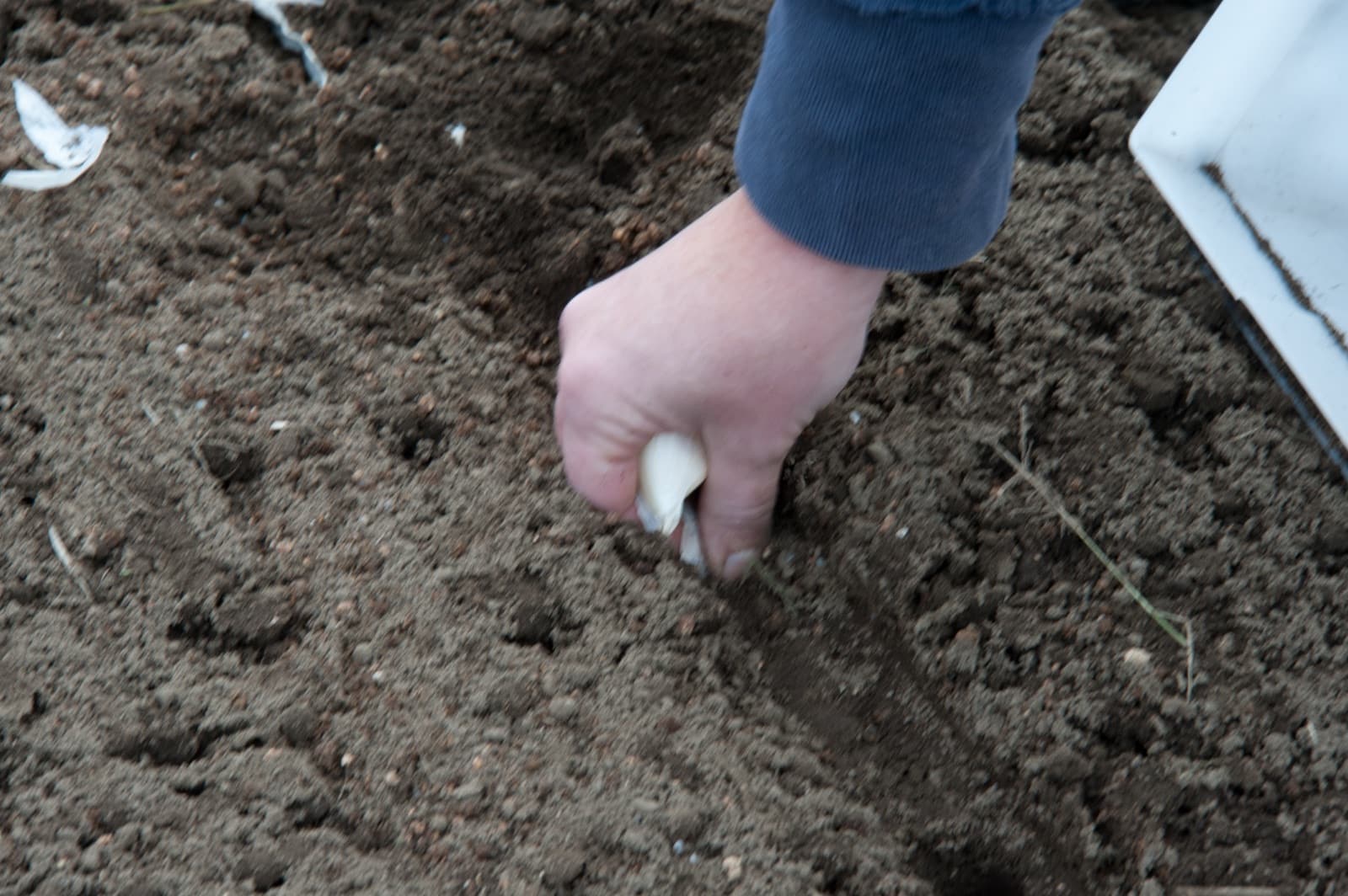
- Plant garlic — open now, through November 15
- Plant tulips & bulbs — open now, through November 29
Warm-season
e.g. Georgia · first frost November 10
- Plant garlic — open now, through December 1
- Final mow — open now, through December 1
- Winterize sprinklers — open now, through December 1
- Plant tulips & bulbs — opens November 24
Fall windows by state
| State | Zone | Overseed | Plant garlic | First frost | Next task |
|---|---|---|---|---|---|
| Alabama | Warm-season | September 26 – October 20 (rye) | October 27 – December 1 | November 10 | Plant garlic (October 27) |
| Alaska | Cool-season | July 17 – August 8 | August 22 – September 26 | September 5 | — |
| Arizona | Warm-season | October 1 – October 25 (rye) | November 1 – December 6 | November 15 | Bring houseplants in (November 1) |
| Arkansas | Transition zone | September 10 – October 2 | October 16 – November 20 | October 30 | Plant garlic (October 16) |
| California | Transition zone | October 12 – November 3 | November 17 – December 22 | December 1 | Bring houseplants in (November 10) |
| Colorado | Cool-season | August 13 – September 4 | September 18 – October 23 | October 2 | — |
| Connecticut | Cool-season | August 25 – September 16 | September 30 – November 4 | October 14 | Plant tulips & bulbs (October 7) |
| Delaware | Transition zone | September 8 – September 30 | October 14 – November 18 | October 28 | Plant garlic (October 14) |
| Florida | Warm-season | October 26 – November 19 (rye) | November 26 – December 31 | December 10 | Overseed (October 26) |
| Georgia | Warm-season | September 26 – October 20 (rye) | October 27 – December 1 | November 10 | Plant garlic (October 27) |
| Hawaii | Warm-season | — | — | none | — |
| Idaho | Cool-season | August 9 – August 31 | September 14 – October 19 | September 28 | — |
| Illinois | Cool-season | August 27 – September 18 | October 2 – November 6 | October 16 | Plant tulips & bulbs (October 9) |
| Indiana | Cool-season | August 27 – September 18 | October 2 – November 6 | October 16 | Plant tulips & bulbs (October 9) |
| Iowa | Cool-season | August 21 – September 12 | September 26 – October 31 | October 10 | Plant tulips & bulbs (October 3) |
| Kansas | Transition zone | August 31 – September 22 | October 6 – November 10 | October 20 | Plant garlic (October 6) |
| Kentucky | Transition zone | September 2 – September 24 | October 8 – November 12 | October 22 | Plant garlic (October 8) |
| Louisiana | Warm-season | October 12 – November 5 (rye) | November 12 – December 17 | November 26 | Cover crop / winter rye (October 15) |
| Maine | Cool-season | August 9 – August 31 | September 14 – October 19 | September 28 | — |
| Maryland | Transition zone | September 4 – September 26 | October 10 – November 14 | October 24 | Plant garlic (October 10) |
| Massachusetts | Cool-season | August 23 – September 14 | September 28 – November 2 | October 12 | Plant tulips & bulbs (October 5) |
| Michigan | Cool-season | August 16 – September 7 | September 21 – October 26 | October 5 | — |
| Minnesota | Cool-season | August 7 – August 29 | September 12 – October 17 | September 26 | — |
| Mississippi | Warm-season | September 26 – October 20 (rye) | October 27 – December 1 | November 10 | Plant garlic (October 27) |
| Missouri | Transition zone | September 2 – September 24 | October 8 – November 12 | October 22 | Plant garlic (October 8) |
| Montana | Cool-season | August 3 – August 25 | September 8 – October 13 | September 22 | — |
| Nebraska | Cool-season | August 21 – September 12 | September 26 – October 31 | October 10 | Plant tulips & bulbs (October 3) |
| Nevada | Transition zone | August 13 – September 4 | September 18 – October 23 | October 2 | — |
| New Hampshire | Cool-season | August 6 – August 28 | September 11 – October 16 | September 25 | — |
| New Jersey | Cool-season | August 31 – September 22 | October 6 – November 10 | October 20 | Plant garlic (October 6) |
| New Mexico | Transition zone | August 26 – September 17 | October 1 – November 5 | October 15 | Plant tulips & bulbs (October 8) |
| New York | Cool-season | August 16 – September 7 | September 21 – October 26 | October 5 | — |
| North Carolina | Transition zone | September 8 – September 30 | October 14 – November 18 | October 28 | Plant garlic (October 14) |
| North Dakota | Cool-season | August 3 – August 25 | September 8 – October 13 | September 22 | — |
| Ohio | Cool-season | August 27 – September 18 | October 2 – November 6 | October 16 | Plant tulips & bulbs (October 9) |
| Oklahoma | Transition zone | September 12 – October 4 | October 18 – November 22 | November 1 | Plant garlic (October 18) |
| Oregon | Cool-season | September 8 – September 30 | October 14 – November 18 | October 28 | Plant garlic (October 14) |
| Pennsylvania | Cool-season | August 21 – September 12 | September 26 – October 31 | October 10 | Plant tulips & bulbs (October 3) |
| Rhode Island | Cool-season | August 29 – September 20 | October 4 – November 8 | October 18 | Plant tulips & bulbs (October 11) |
| South Carolina | Warm-season | September 28 – October 22 (rye) | October 29 – December 3 | November 12 | Bring houseplants in (October 29) |
| South Dakota | Cool-season | August 11 – September 2 | September 16 – October 21 | September 30 | — |
| Tennessee | Transition zone | September 6 – September 28 | October 12 – November 16 | October 26 | Plant garlic (October 12) |
| Texas | Warm-season | October 6 – October 30 (rye) | November 6 – December 11 | November 20 | Bring houseplants in (November 6) |
| Utah | Cool-season | August 19 – September 10 | September 24 – October 29 | October 8 | Plant tulips & bulbs (October 1) |
| Vermont | Cool-season | August 5 – August 27 | September 10 – October 15 | September 24 | — |
| Virginia | Transition zone | September 5 – September 27 | October 11 – November 15 | October 25 | Plant garlic (October 11) |
| Washington | Cool-season | September 8 – September 30 | October 14 – November 18 | October 28 | Plant garlic (October 14) |
| West Virginia | Cool-season | August 23 – September 14 | September 28 – November 2 | October 12 | Plant tulips & bulbs (October 5) |
| Wisconsin | Cool-season | August 13 – September 4 | September 18 – October 23 | October 2 | — |
| Wyoming | Cool-season | August 1 – August 23 | September 6 – October 11 | September 20 | — |
Every fall task, explained
Final mow
Grass left long under snow mats and invites snow mold; cut too short it loses winter insulation. The last cut at 2–2.5 inches is the compromise.
1 week before to 2–3 weeks after first frost, when growth stops.
Winterize sprinklers
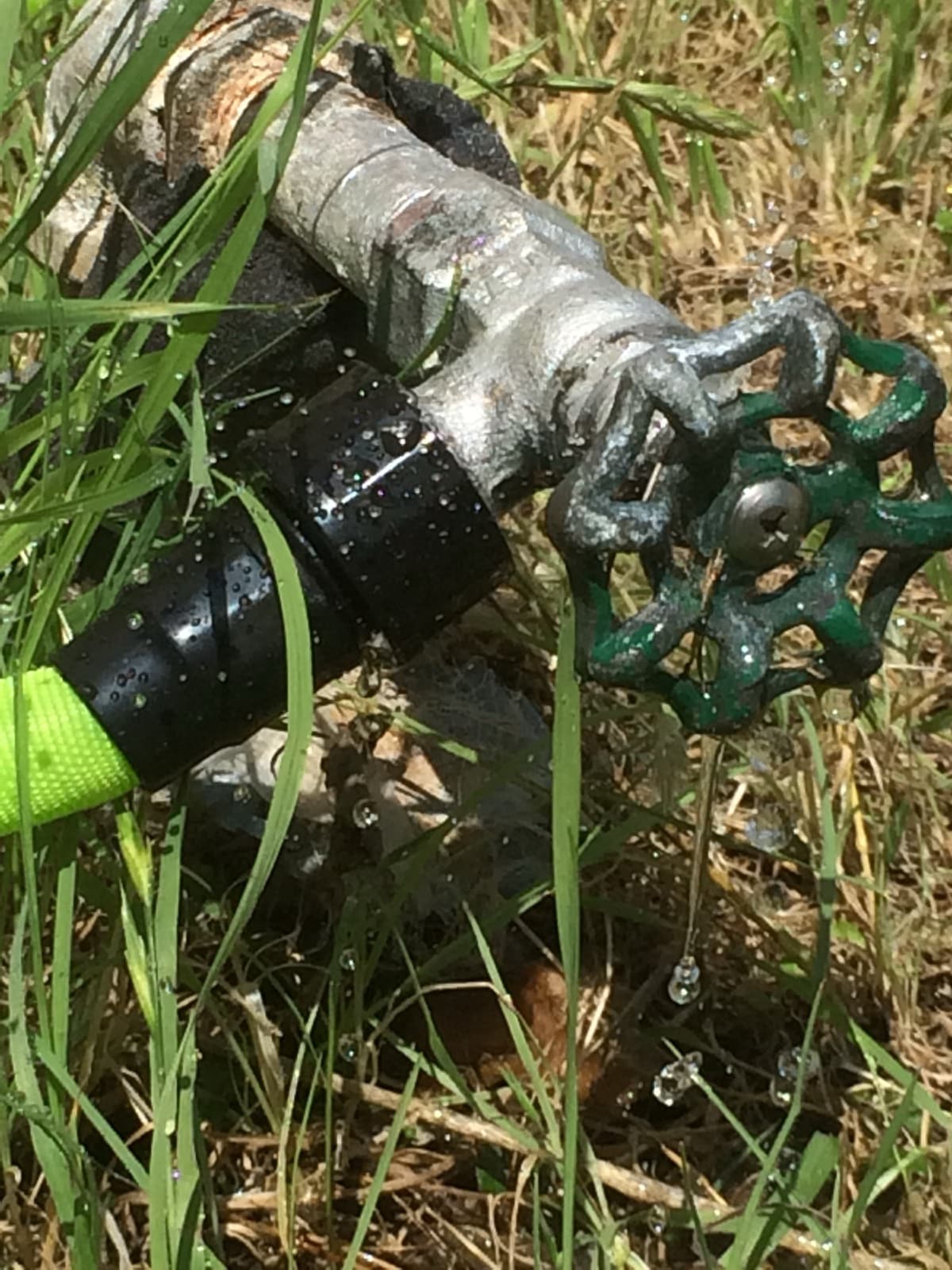
Water left in lines and backflow preventers expands when it freezes and splits pipes, valves, and heads — a repair that costs more than the whole winterization.
From just before first frost until first hard freeze (~2 weeks later).
Cover crop / winter rye
A cover crop holds soil, scavenges leftover nitrogen, and adds organic matter over winter — bare vegetable beds lose both soil and fertility to winter rain.
6–2 weeks before first frost (rye itself can go in right up to frost).
Bring houseplants in
Tropical houseplants are damaged by nights in the 40s, well before any frost — and a sudden move from 50°F nights to a 70°F house causes leaf drop.
3 weeks before first frost until a few days before (when nights fall below 50°F).
Frost date in, task calendar out
Every window starts with the state’s median first and last frost (NOAA 1991–2020 normals, the same data behind our first frost pages). Grass-zone rules then shift each task: cool-season lawns overseed 7–4 weeks before frost, core-aerate 7–3 weeks before, and feed 4–1 weeks before. Warm-season lawns aerate in late spring instead, and take their last nitrogen on their extension program’s calendar cutoff — mid-August to early September in most of the South, September in Florida and Texas — because a Deep South frost date arrives weeks after the grass has stopped growing. The soil-gated tasks — spring pre-emergent (55°F), bulbs (under 55°F), seeding (over 50°F) — then defer to the live 6 cm reading from Open-Meteo, because soil lags air by weeks and a calendar alone gets them wrong.

Fall lawn & garden FAQ
Windows are climatological typicals, not day forecasts — any year runs ±2 weeks. Built on NOAA frost normals, land-grant extension turf guidance, and Open-Meteo modeled soil temperature. Pairs with: frost dates by ZIP · soil temperature map · fall foliage forecast. Hero image: “2022-10-26 08 11 53 Fallen Red Maple and Saucer Magnolia leaves on a lawn in autumn along Aquetong Lane in the Mountainview section of Ewing Township, Mercer County, New Jersey” by Famartin, CC BY-SA 4.0