
Best Mosquito Repellents 2026: What Actually Works, Ranked by Use Case
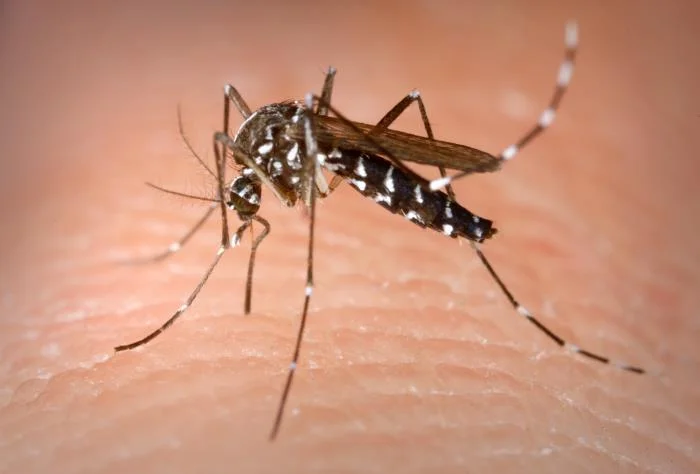
The mosquito repellent aisle is split into two regulatory tiers: EPA-registered active ingredients with rigorous efficacy data behind them (DEET, picaridin, IR3535, oil of lemon eucalyptus, 2-undecanone), and EPA minimum-risk plant-based ingredients (cedarwood, lemongrass, soybean, geraniol) that are exempt from federal efficacy testing but have a long track record in family-safe and casual outdoor use [Source: EPA]. This guide explains both tiers honestly: what works for high-risk disease environments, what works for low-pressure backyard use, and which popular categories (sonic devices, vitamin B1, garlic) have no measurable effect at all.
How mosquito repellents actually work
Topical mosquito repellents do not kill mosquitoes and they are not, in any meaningful sense, toxic to the insect. They work by interfering with the sensory system a female mosquito uses to find a blood meal. Mosquitoes locate hosts primarily through carbon dioxide, body heat, lactic acid, and other volatile compounds on the skin. Active ingredients like DEET and picaridin appear to block or confuse the odorant receptors involved in detecting those cues, which makes treated skin difficult to recognize as a host [Source: CDC].
The Environmental Protection Agency regulates skin-applied insect repellents as pesticides under the Federal Insecticide, Fungicide, and Rodenticide Act. Before any active ingredient can be sold as a repellent, it has to pass an EPA review of toxicity, exposure modeling, and field efficacy [Source: EPA]. The EPA only registers ingredients that demonstrate complete protection time in standardized arm-in-cage and field trials. That is the bar that separates DEET, picaridin, IR3535, oil of lemon eucalyptus, and 2-undecanone from the rest of the shelf.
The CDC recommends using EPA-registered repellents for any situation involving disease risk, including travel and outdoor work in areas where West Nile virus, eastern equine encephalitis, or other mosquito-borne pathogens are present [Source: CDC]. Plant-based and essential-oil products that fall under the EPA's FIFRA 25(b) minimum-risk pesticide rule are exempt from federal efficacy testing, which means the EPA does not require manufacturers to submit standardized protection-time data [Source: EPA]. That does not mean every 25(b) product is ineffective; it means efficacy varies by formulation and the burden is on the consumer to look for third-party testing rather than rely on the EPA registration mark. Cedarwood, lemongrass, geraniol, and soybean oil are common 25(b) actives with published peer-reviewed data showing measurable repellent effect at shorter protection windows than DEET or picaridin.
EPA-registered active ingredients compared
The EPA maintains an online search tool that lets consumers filter registered repellents by active ingredient and target pest [Source: EPA]. Five active ingredients account for nearly every CDC-recommended product on the U.S. market. Each one has a different protection window, mechanism, and best use case.
- DEET (N,N-diethyl-meta-toluamide). The longest-studied and most widely used topical repellent, registered since 1957. Protection time scales with concentration: roughly 2 hours at 10%, 5 hours at 20 to 25%, and 8 to 10 hours at 30% and above. Concentrations above about 30% give diminishing returns. DEET is the CDC's first recommendation in areas with active mosquito-borne disease transmission [Source: CDC]. It can damage plastics, synthetic fabrics, and some painted finishes, which is why outdoor gear users often prefer picaridin [Source: EPA].
- Picaridin (icaridin, KBR 3023). A synthetic compound modeled on piperine, the natural defensive chemical in black pepper plants. Comparable efficacy to DEET at the same concentration, with protection up to 12 hours at 20% [Source: CDC]. Odorless, non-greasy, and does not damage synthetics or gear. The default choice for hikers, backpackers, anglers, and anyone using polycarbonate eyewear or technical fabrics.
- IR3535 (ethyl butylacetylaminopropionate). A biopesticide derived from the amino acid beta-alanine. Provides up to 8 hours of protection at 20% and has been used for decades in Europe with a strong safety record [Source: EPA]. Common in combination sunscreen-repellent products. Can sting if it gets in the eyes, so it requires care around the face.
- Oil of Lemon Eucalyptus (OLE) and its refined form PMD (para-menthane-3,8-diol). A plant-derived biopesticide extracted from the gum eucalyptus tree. The CDC considers it comparable to low-concentration DEET, with protection of about 6 hours at 30% PMD [Source: CDC]. Do not use OLE or PMD products on children under 3 years old; the CDC and product labels specifically prohibit this age group [Source: CDC]. "Pure" lemon eucalyptus essential oil is a different product, has not been through EPA registration, and is not recommended as a repellent.
- 2-Undecanone. A naturally occurring compound originally isolated from the wild tomato plant. EPA-registered for mosquitoes and ticks with a protection window of roughly 4 to 5 hours at typical formulations [Source: EPA]. The least common of the five, but a usable plant-derived option for consumers who want an alternative to DEET or picaridin.
Best repellent for specific situations
The "best" repellent depends on who is wearing it and what they are doing. The recommendations below follow CDC, American Academy of Pediatrics (AAP), and UF/IFAS Extension guidance.
- Children over 2 months. Picaridin up to 20% or DEET up to 30%. The AAP recommends against any DEET use on infants under 2 months and advises a maximum DEET concentration of 30% for children [Source: AAP]. Never apply OLE or PMD products to children under 3 [Source: CDC]. Adults should spray repellent on their own hands first, then wipe it onto a child's exposed skin, avoiding the eyes, mouth, and hands.
- Pregnancy. DEET, picaridin, and IR3535 are all considered safe during pregnancy when used as directed. The CDC explicitly recommends EPA-registered repellents for pregnant women in areas with mosquito-borne disease risk, because the consequences of infection (Zika, West Nile) outweigh the well-characterized safety profile of these ingredients [Source: CDC].
- Daily outdoor work or errands. Picaridin at 10 to 20%. Long-lasting, odorless, non-greasy, and gear-safe, which makes it the easiest ingredient to wear all day without re-applying.
- Hiking and camping. Picaridin 20% for skin, plus permethrin-treated clothing and gear. Picaridin will not degrade synthetic shells, watch straps, or trekking-pole grips the way concentrated DEET can [Source: EPA]. Pair with permethrin on socks, pants, and the tent for through-the-fabric protection.
- Gardening and yard work. IR3535 or picaridin at 10 to 20%. Both are skin-friendly for repeated daily use. Apply to exposed skin only, then wash off when you come inside.
- Beach, pool, or heavy sweat. Reapply more often, regardless of ingredient. Sweat, water, and towel-drying physically remove repellent. CDC guidance is to follow the label's reapplication interval and re-apply sooner if you have been swimming or sweating heavily [Source: CDC].
- Sleeping outdoors or in unscreened structures. A permethrin-treated bed net is the CDC-recommended approach in areas with serious mosquito-borne disease risk, combined with topical repellent on any exposed skin during evening hours [Source: CDC].
Check tonight's mosquito activity in your area
See the local forecastPermethrin for clothing and gear
Permethrin is a synthetic version of the insecticidal compound found in chrysanthemum flowers. Applied to fabric, it both repels and kills mosquitoes, ticks, and other biting insects that land on the treated material. The CDC recommends permethrin-treated clothing as a key layer of protection in any high-exposure situation, including travel, fieldwork, and time in wooded or wetland areas [Source: CDC].
Permethrin is for fabric only. It must never be applied directly to skin. Once it has dried on cloth, it binds to the fibers and is no longer bioavailable; on wet skin it is absorbed and can cause irritation [Source: CDC]. Treat clothing outdoors on a hanger, away from cats, which are unusually sensitive to permethrin until it has fully dried.
- What to treat. Shirts, pants, socks, hats, jackets, and gaiters. Boots and the outside of tents and bed nets. Avoid underwear and any garment worn against sensitive skin like the inner thighs.
- How to apply. Hang the garment outdoors. Hold the consumer aerosol about 6 to 8 inches from the fabric and spray each side with a slow, even pass until lightly damp but not soaked. Let it dry fully (usually 2 to 4 hours) before wearing.
- Durability. Consumer 0.5% permethrin sprays generally last through about 6 weeks of normal wear or 6 wash cycles [Source: CDC]. Factory-treated garments (sold pre-impregnated) can hold their efficacy through roughly 70 washes.
- What it does not do. Permethrin on clothing does not protect exposed skin. Pair it with a topical EPA-registered repellent on the face, hands, neck, and any uncovered area.
Spatial repellents: Thermacell, candles, and fans
Spatial repellents are devices and products that try to create a mosquito-free zone in the air around the user, instead of on the skin. The category is mixed: some products have real EPA-reviewed data behind them and some are marketing.
Metofluthrin and allethrin diffusers. Battery- or butane-powered devices that volatilize a pyrethroid (metofluthrin or allethrin) into the surrounding air are EPA-registered and have published field data showing meaningful reductions in mosquito landings within roughly a 15-foot radius under calm conditions [Source: EPA]. They work best on a still patio, deck, or campsite. Wind, large open areas, and heavy mosquito pressure all reduce effectiveness.
Citronella candles and torches. Citronella oil is registered by the EPA as a minimum-risk pesticide, but field studies consistently show that citronella candles produce only a modest reduction in landings, mostly within a foot or two of the candle, and that any breeze eliminates the effect [Source: UF/IFAS]. They are not a substitute for topical repellent.
Fans. A high-velocity oscillating fan is one of the most reliable, non-chemical tools for a fixed outdoor seating area. Mosquitoes are weak fliers and cannot hold a flight path against focused airflow. A fan also disperses the carbon dioxide plume that attracts them in the first place. Cheap, quiet, and effective for porches and patios.
Plant-based and family-safe alternatives
Not every outdoor situation is a high-disease-risk environment that demands DEET. For backyard cookouts, walking the dog, or letting kids play in the grass in places where mosquito-borne disease is low, many families prefer a DEET-free option that is gentler on skin, fabric, and finishes. The EPA's FIFRA 25(b) category exists for exactly those products: plant-based actives that have been judged safe enough that the agency does not require pre-market efficacy data, but that still appear on shelves with measurable repellent claims [Source: EPA].
The 25(b) plant-based ingredients with the strongest peer-reviewed mosquito-repellency data include:
- Cedarwood oil. The active constituent, cedrol, has shown mosquito-repellent activity in published laboratory assays. Cedar oil is also widely used as a livestock and pet repellent, which is why it is a common choice for families with dogs and cats in the yard. Typical protection window is roughly 1 to 3 hours per application, shorter than picaridin or DEET, which is fine for casual backyard use and not appropriate as the sole protection in a disease-endemic area.
- Lemongrass and citronella oils. Closely related compounds. Comparable short protection windows (1 to 2 hours) and the strongest data when used in skin-applied formulations rather than as ambient spatial repellents.
- Geraniol. Derived from geranium oil. Used in many natural-format sprays and impregnated wearables. Field data shows modest reductions in landings at close range.
- Soybean oil. Featured in some commercial natural repellent formulations. One study published in the New England Journal of Medicine found a soybean-based formulation matched the protection window of low-concentration DEET in a controlled trial.
Repellents that don't work
These categories sell well, and they do not reduce mosquito biting in any controlled study. The CDC and university extension services have evaluated each of them and recommend against relying on them for personal protection.
- Ultrasonic and sonic repellers. Wearable wristbands, phone apps, and plug-in devices that emit high-frequency sound. Independent reviews and EPA enforcement actions have repeatedly found no measurable effect on mosquito behavior [Source: EPA].
- Citronella candles in wind. The local concentration of citronella vapor required to deter biting is only achievable in still air at very close range. Outdoors with any breeze, the effect collapses [Source: UF/IFAS].
- Repelling plants alone. Marigolds, lavender, rosemary, and citronella geraniums contain repellent compounds but do not release them into the air at concentrations that change mosquito behavior. The compounds are only repellent if you crush the leaves and rub the oils directly on skin [Source: UF/IFAS].
- Garlic supplements. Eating garlic has no proven effect on how attractive a person is to host-seeking mosquitoes. Controlled trials have not shown a difference in landing rates [Source: UF/IFAS].
- Vitamin B1 (thiamine) supplements. The popular claim that oral vitamin B1 makes skin unattractive to mosquitoes has been tested repeatedly since the 1960s and has never shown a repellent effect [Source: UF/IFAS].
- Bug zappers. UV electric zappers kill almost no mosquitoes (under 1% of catch in field studies) and a lot of beneficial pollinators [Source: UF/IFAS]. Not a personal repellent in any sense.
How to apply repellent correctly
EPA-registered repellents only work if they are applied at adequate coverage to all exposed skin. Most of the failure stories with DEET or picaridin trace back to thin or spotty application, not the ingredient.
- Sunscreen first, repellent second. Apply sunscreen, let it absorb for several minutes, then apply repellent. The CDC and AAP advise against combination sunscreen-repellent products because the two have very different reapplication schedules: sunscreen every 2 hours, repellent only when its protection window ends [Source: AAP].
- Exposed skin only. Repellent is for skin, not under clothing. Treat clothing separately with permethrin if you need that layer.
- Even coverage. Spray onto the hand first, then wipe across the face, ears, and neck, avoiding the eyes, mouth, and any broken skin. A patchy spray leaves landing strips that mosquitoes will find.
- Reapply on schedule. Match the label's protection window: roughly 2 hours for 10% DEET, 5 hours for 20% DEET, 8 to 12 hours for 20% picaridin. Reapply sooner after swimming, heavy sweating, or towel-drying.
- For children. Adults apply, not the child. Spray onto adult hands first, then wipe onto the child's exposed skin. Avoid hands (which go in the mouth) and any area near the eyes [Source: AAP]. Wash treated skin with soap and water once the child comes back inside.
- At the end of the day. Wash treated skin with soap and water and launder treated clothing before wearing it again (permethrin-treated clothing excepted, which is washed normally and retains its treatment for weeks).
When to call a professional
Personal repellents are the right tool for the person, not for the property. If mosquito pressure on a yard is high enough that family members are getting bitten every time they step outside despite using EPA-registered products, the source is environmental: standing water on the property, a neighbor's neglected pool, a stagnant ditch, or a nearby wetland generating thousands of mosquitoes a day.
A licensed mosquito control professional can perform a larval site inspection, treat water that cannot be drained with BTI, and apply targeted barrier sprays to shaded resting vegetation. Combined with personal repellent for the people in the household, that property-level work is what brings biting pressure down.
Professional help is especially worth considering when the household includes vulnerable people: infants, the elderly, pregnant women, or anyone immunocompromised. The CDC notes these groups face significantly higher risk of severe outcomes from West Nile virus and other mosquito-borne pathogens, which raises the value of layered protection beyond what topical repellent alone can provide [Source: CDC].
Frequently asked questions
Is DEET safe for kids?
Yes, with limits. The American Academy of Pediatrics says DEET can be used on children over 2 months of age and recommends a maximum concentration of 30%. Apply it to your own hands first, then wipe it onto the child, avoiding the eyes, mouth, and hands [Source: AAP].
DEET vs picaridin: which is better?
At the same concentration, the two have comparable efficacy and protection time against mosquitoes. Picaridin is odorless, non-greasy, and will not damage synthetic gear or eyewear, which makes it the more comfortable everyday choice. DEET has a longer track record in disease-endemic areas and remains the CDC default for high-risk travel.
How long does mosquito repellent last?
Protection scales with active ingredient and concentration. 10% DEET lasts about 2 hours; 20 to 25% lasts 5 hours; 30% or higher lasts 8 to 10 hours. 20% picaridin lasts up to 12 hours. 20% IR3535 lasts up to 8 hours. 30% OLE or PMD lasts about 6 hours [Source: CDC].
What's the strongest mosquito repellent?
In terms of longest protection per application, 30% or higher DEET and 20% picaridin are at the top of the EPA-registered list, both delivering 8 to 12 hours of complete protection in standardized testing. Concentrations of DEET above roughly 30% provide diminishing returns and are not meaningfully stronger.
Is natural mosquito repellent effective?
It depends on the active ingredient and the exposure level. The two CDC-endorsed plant-derived ingredients are oil of lemon eucalyptus (OLE/PMD) and 2-undecanone, both EPA-registered with up to 6 hours of protection [Source: CDC]. Beyond those, EPA minimum-risk (FIFRA 25(b)) ingredients like cedarwood, lemongrass, soybean, and geraniol have published peer-reviewed repellent data at shorter protection windows of 1 to 3 hours. They are a reasonable choice for low-risk casual outdoor use, especially in DEET-free family-safe formats. They are not the right tool in disease-endemic areas. Do not use OLE or PMD on children under 3.
Can I use mosquito repellent during pregnancy?
Yes. The CDC explicitly recommends EPA-registered repellents (DEET, picaridin, IR3535) for pregnant women, especially in areas with mosquito-borne disease risk. The well-characterized safety profile of these ingredients outweighs the risk of infections like Zika or West Nile virus [Source: CDC].
Do Thermacell devices actually work?
Metofluthrin and allethrin diffuser devices are EPA-registered and have published data showing meaningful reductions in mosquito landings within about a 15-foot radius under calm conditions. They work best on still patios, decks, and campsites. Wind, open areas, and heavy mosquito pressure reduce their effect.
What's the best mosquito repellent for hiking?
20% picaridin on exposed skin combined with permethrin-treated clothing and gear. Picaridin will not damage synthetic shells, pack straps, or polycarbonate eyewear. Permethrin on shirts, pants, socks, and the tent kills and repels mosquitoes that land on fabric [Source: CDC].
Want to know when mosquito biting pressure peaks in your state?
Enter your ZIP code or town below to see your local forecast.
Sources
- CDC: Preventing Mosquito Bites
- CDC: Mosquito Repellents for Pregnant Women and Children
- EPA: Find the Repellent That is Right for You
- EPA: Skin-Applied Repellent Ingredients
- EPA: DEET Fact Sheet
- EPA: Repellent-Treated Clothing
- American Academy of Pediatrics: Insect Repellents
- UF/IFAS Extension: Mosquito Repellents
- UF/IFAS Extension: Mosquito Control Around the Home